300km/h
Maximum speed
Terminal sprint or dive
AI target lock • Visual tracking • Airborne threat interception
AI development for drone and aerial-target interception, focused on image processing, computer vision and onboard processing for UAV platforms.
Discuss your project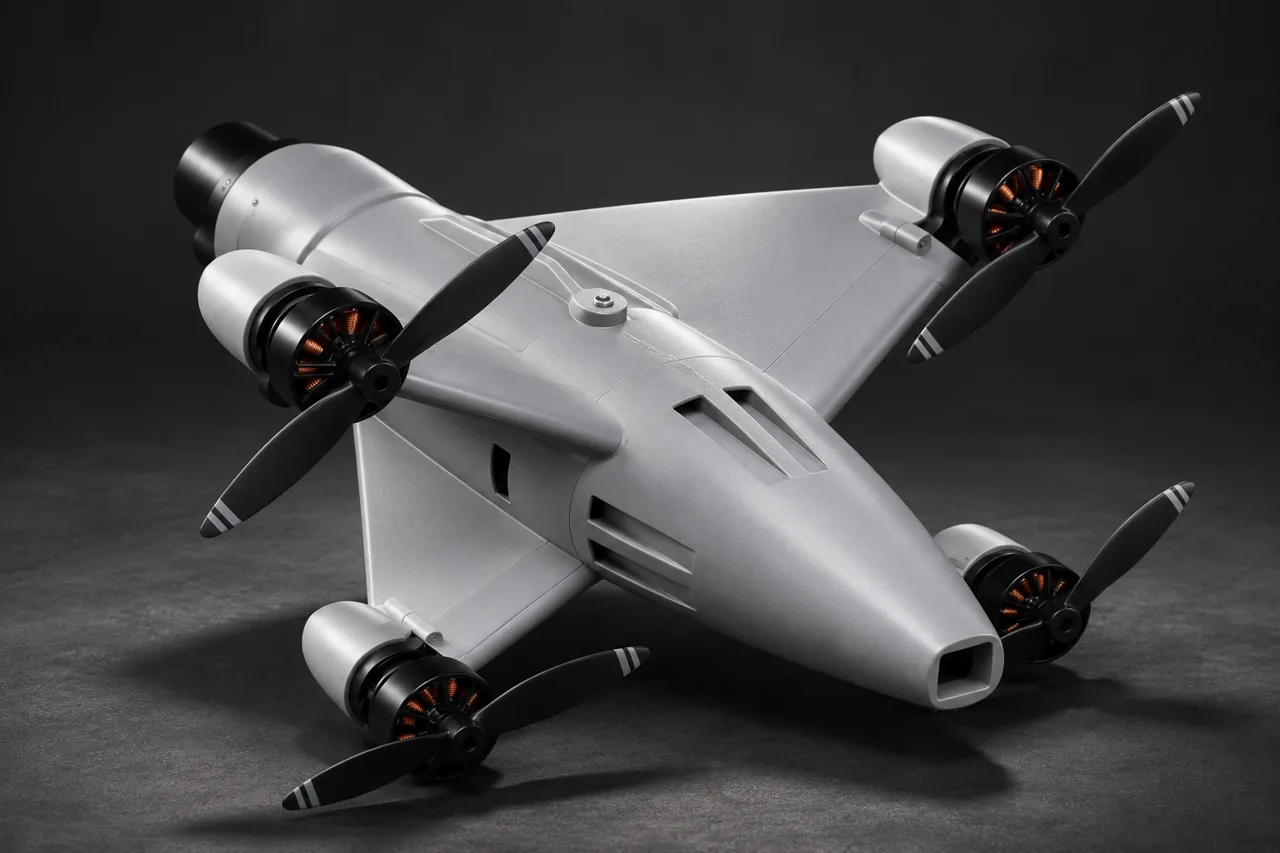
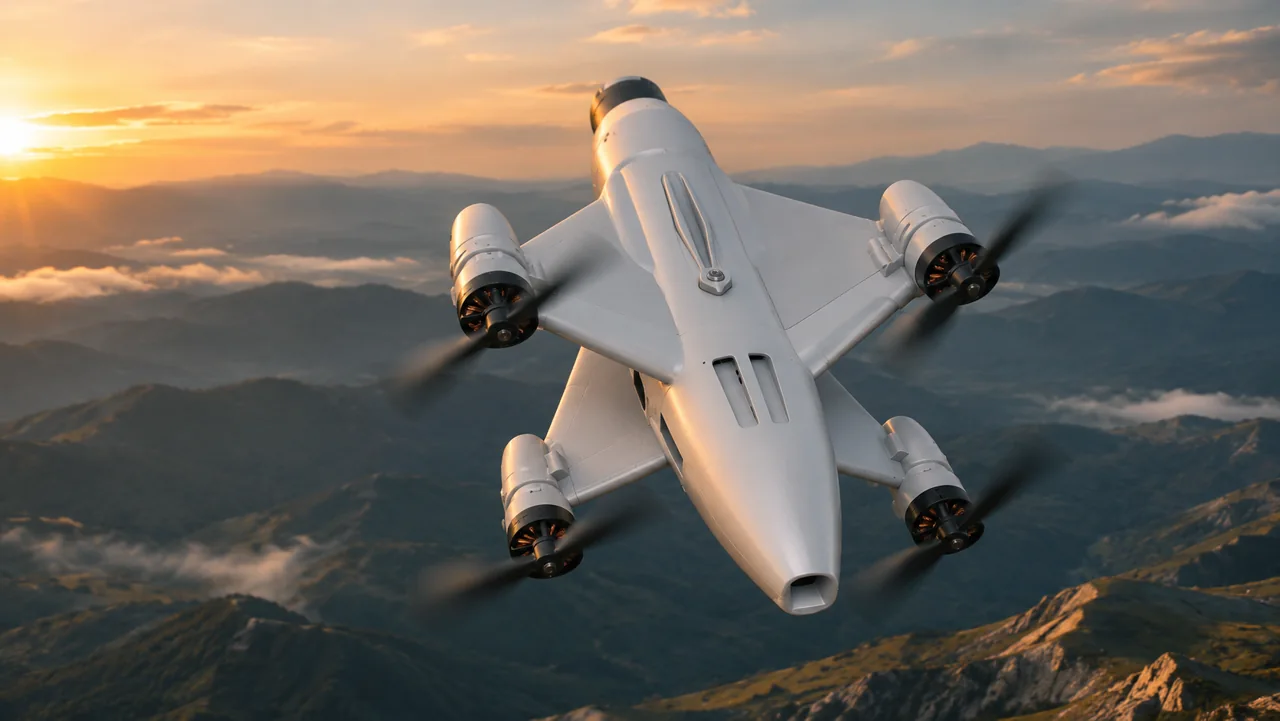
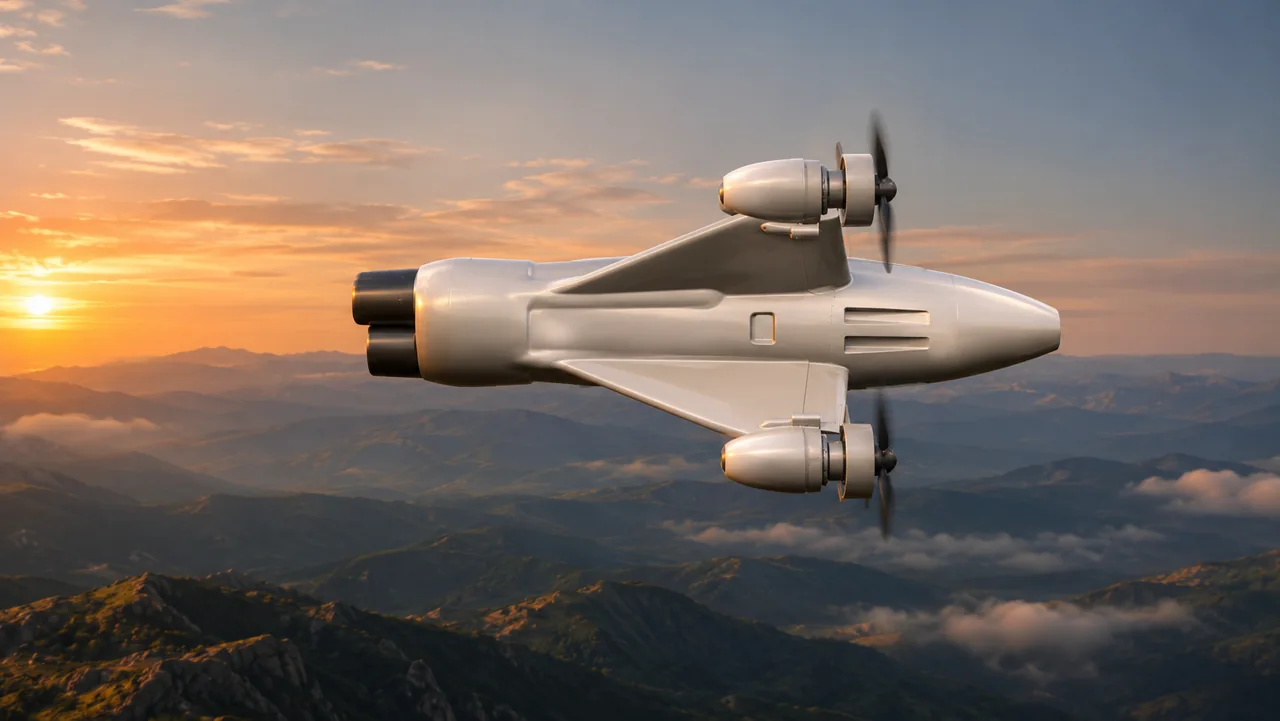
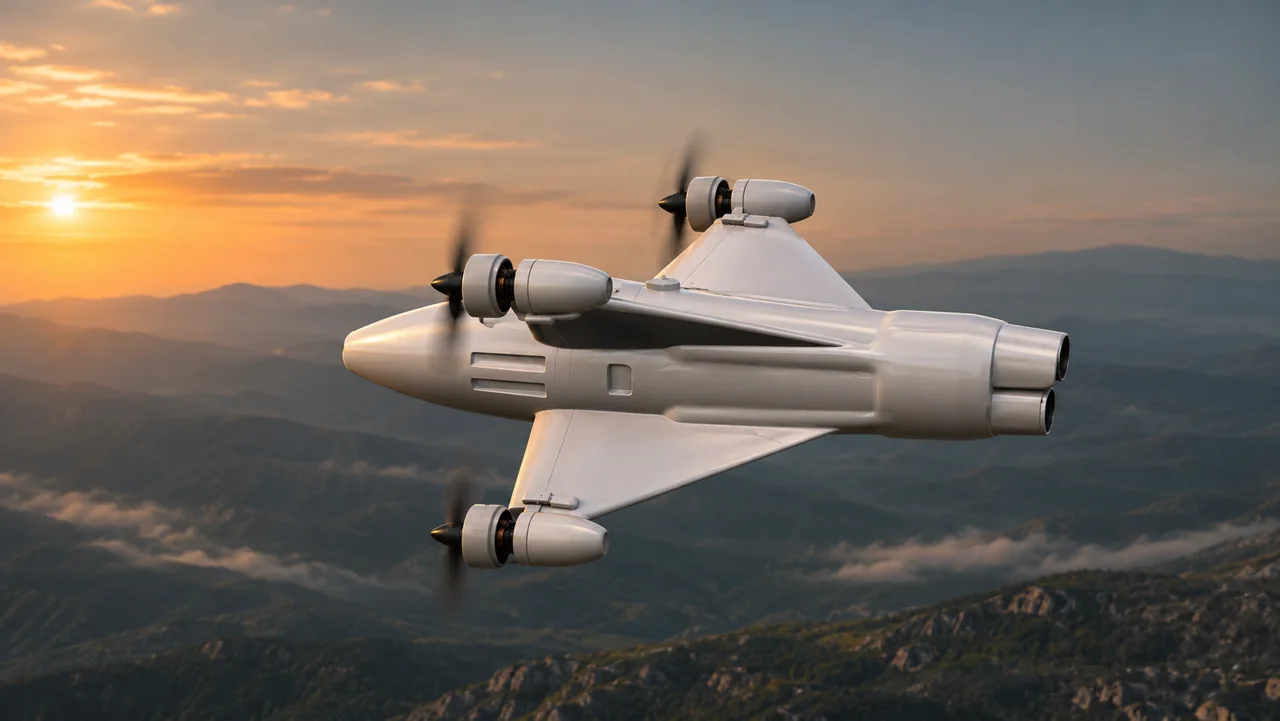
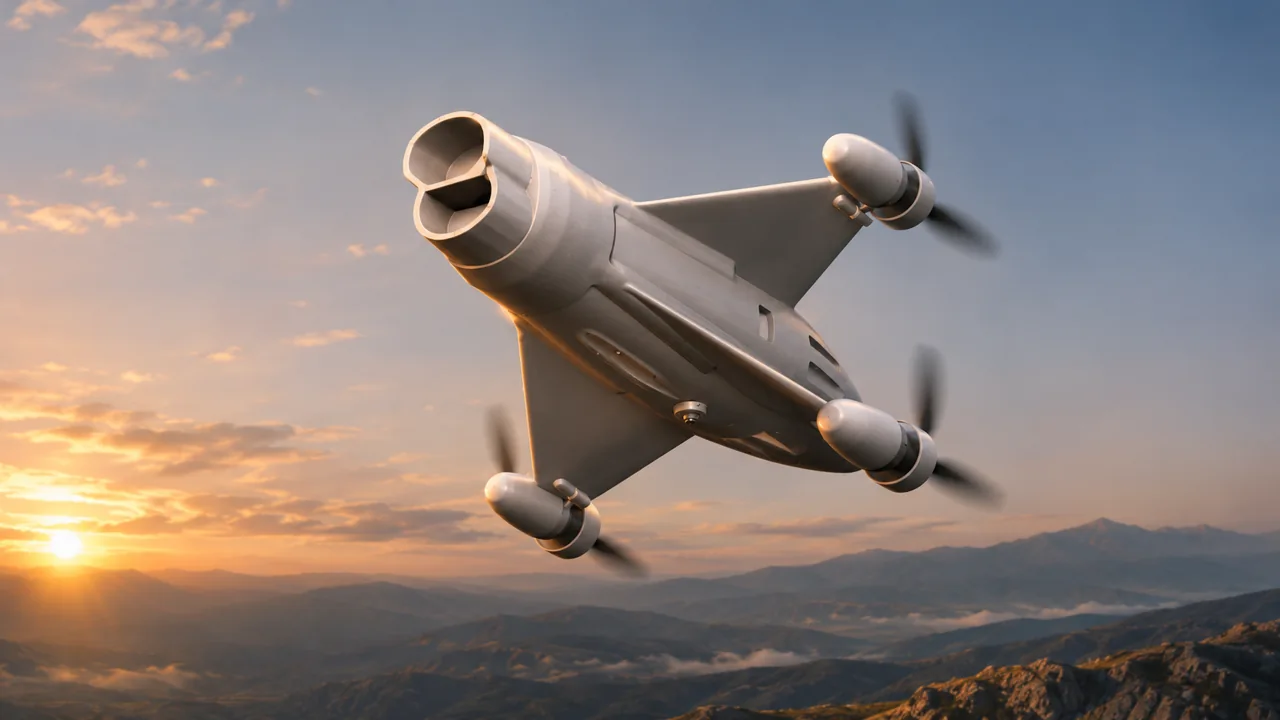
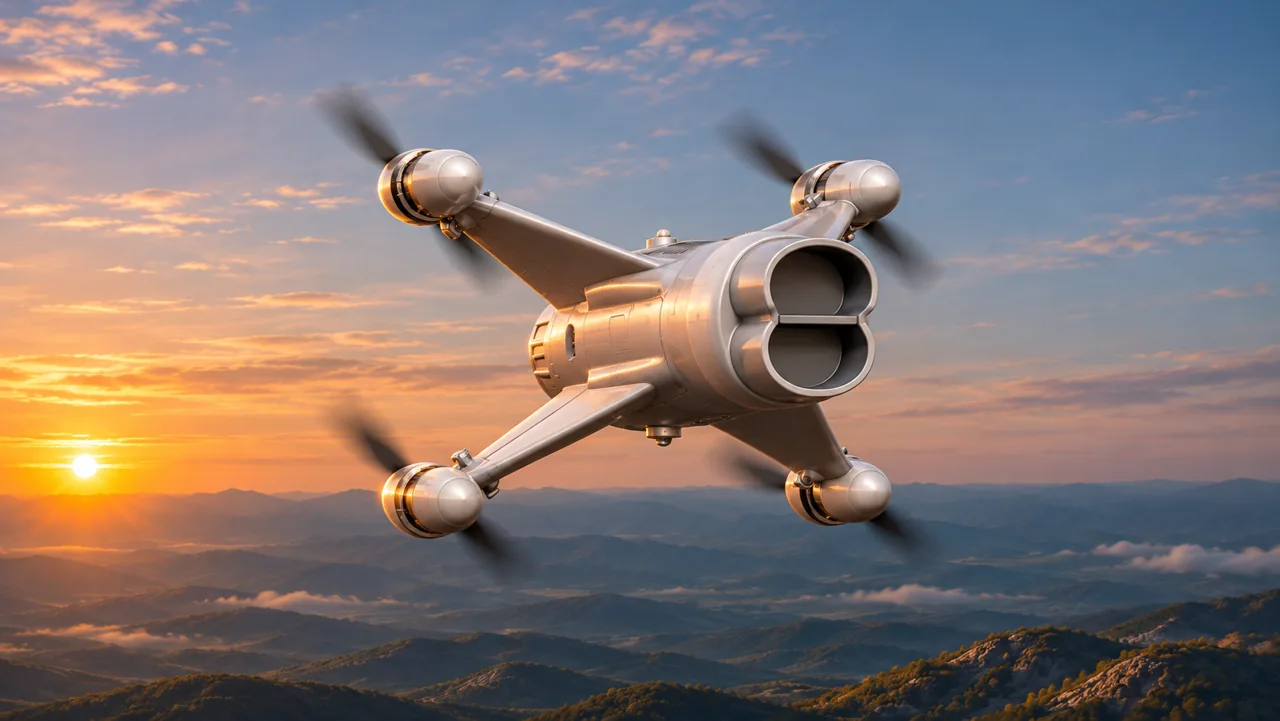
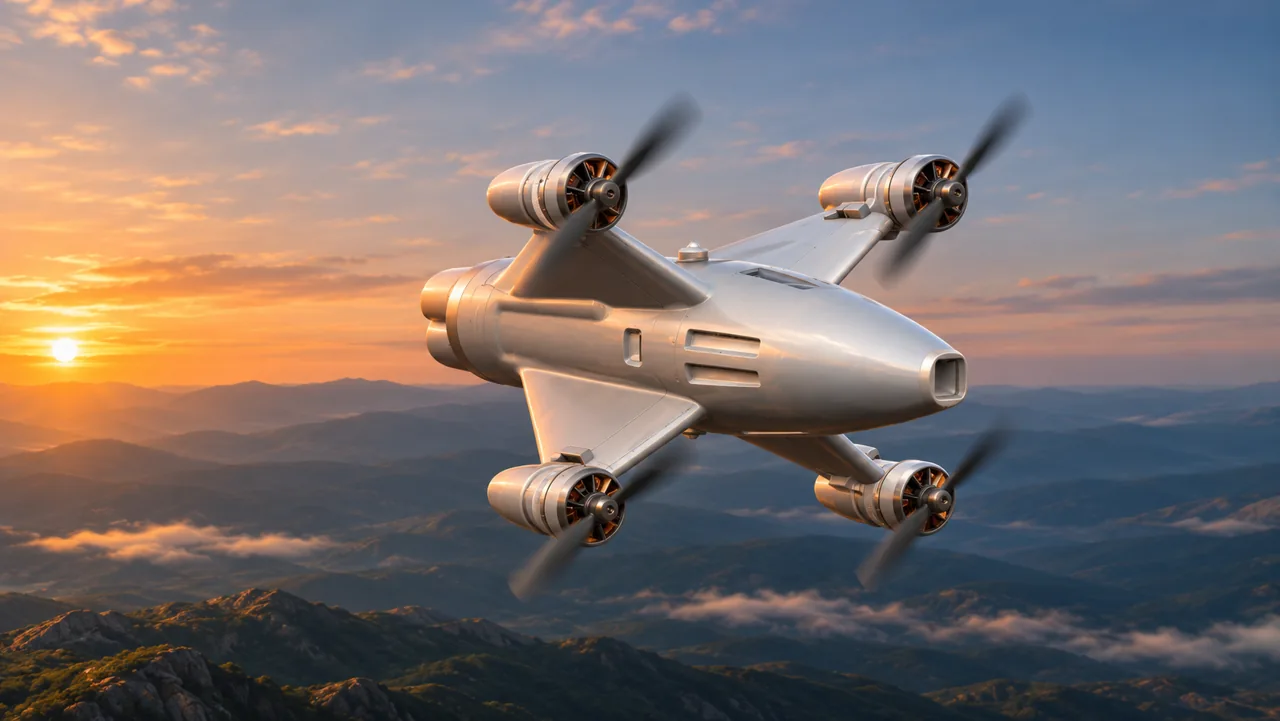
A drone system for intercepting drones and aerial targets, using AI vision for target identification, tracking and lock-on.
Terminal sprint or dive
Distinct from maximum speed
Computer vision and target tracking
| Model | SY-01 |
|---|---|
| Maximum speed | 300 km/h — terminal sprint or dive |
| Cruise speed | 80 km/h |
| AI system | Image processing and computer vision |
| Target lock | AI-based identification, tracking and lock-on using imagery |
| Mission | Drone and aerial-target interception |
The speeds and capabilities above are specifications confirmed by the company. Maximum speed refers to a terminal sprint or dive, not sustained cruise. Actual results depend on operating conditions and project requirements.
Our mission is to develop systems for intercepting drones and aerial targets visible to imaging sensors, with AI vision at the core.
Focused on defence against drone and aerial threats in security and national defence contexts.
Image processing for detecting, identifying and tracking targets visible in imagery.
Bring AI software and UAV platforms together, with development and evaluation scopes agreed for each project.
Delivered model details and performance are governed by the specifications and evaluation results agreed for each project.
Connect the image pipeline, AI models and onboard processing with the systems operators use.
Prepare imagery and video, reduce noise and improve input quality before analysis.
02Develop detection, classification, segmentation and change analysis for the agreed problem.
03Adapt models to target devices and assess quality, speed and power consumption.
04Present results with context and limitations for human review before use.
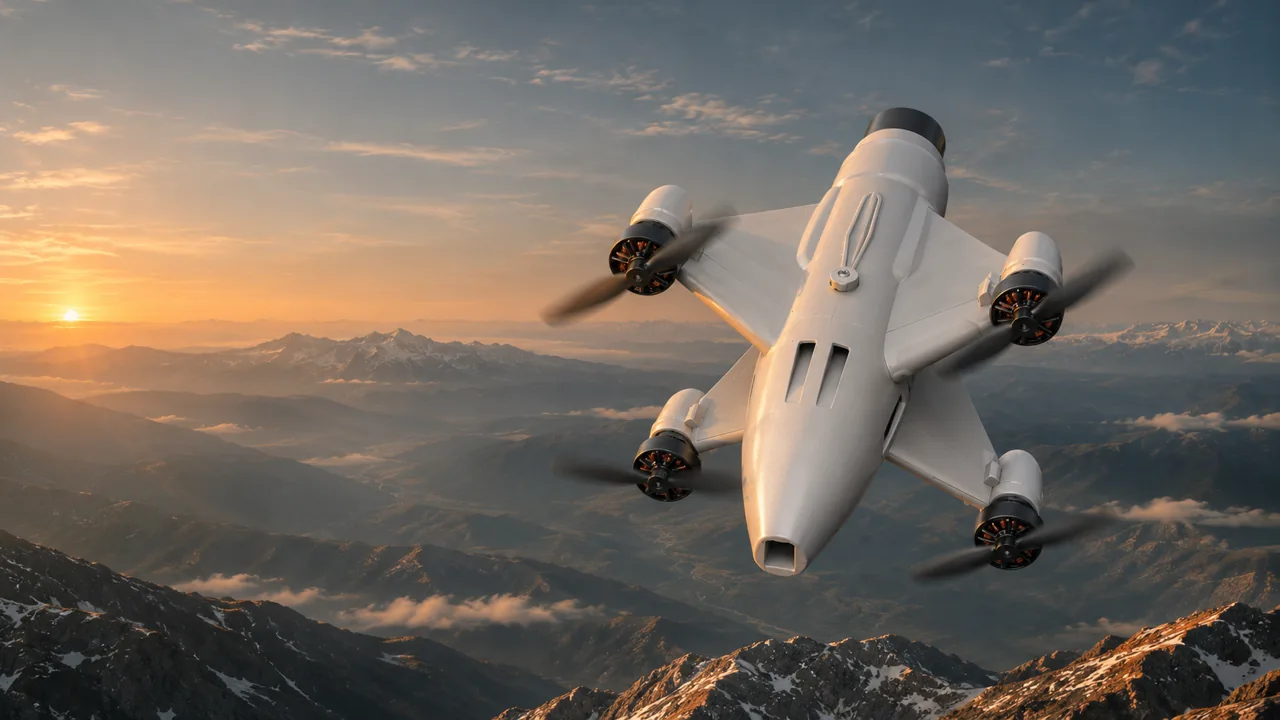
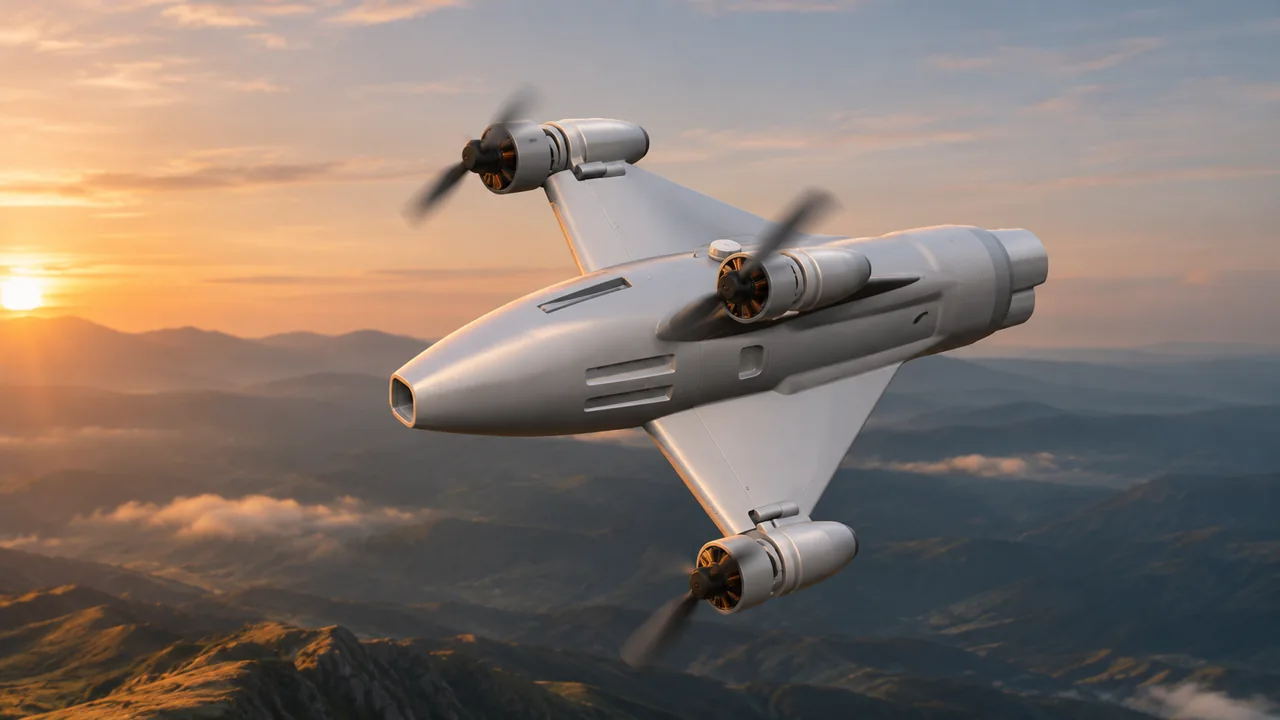
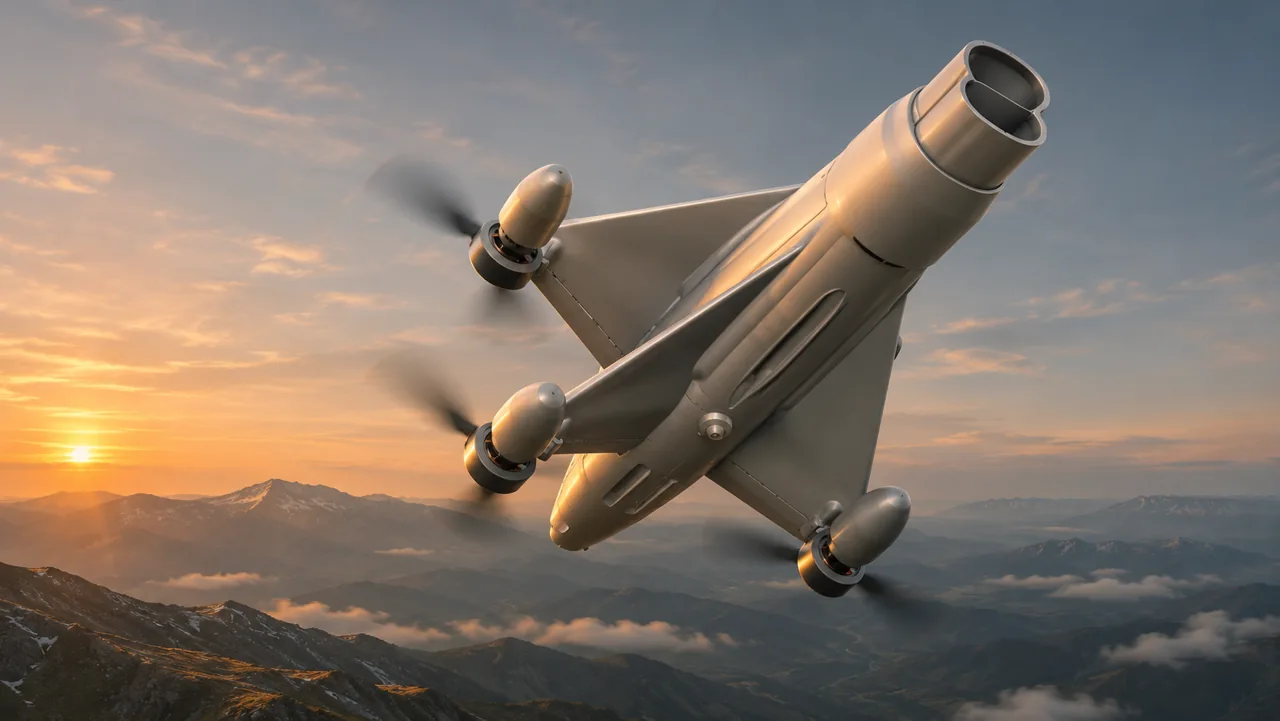
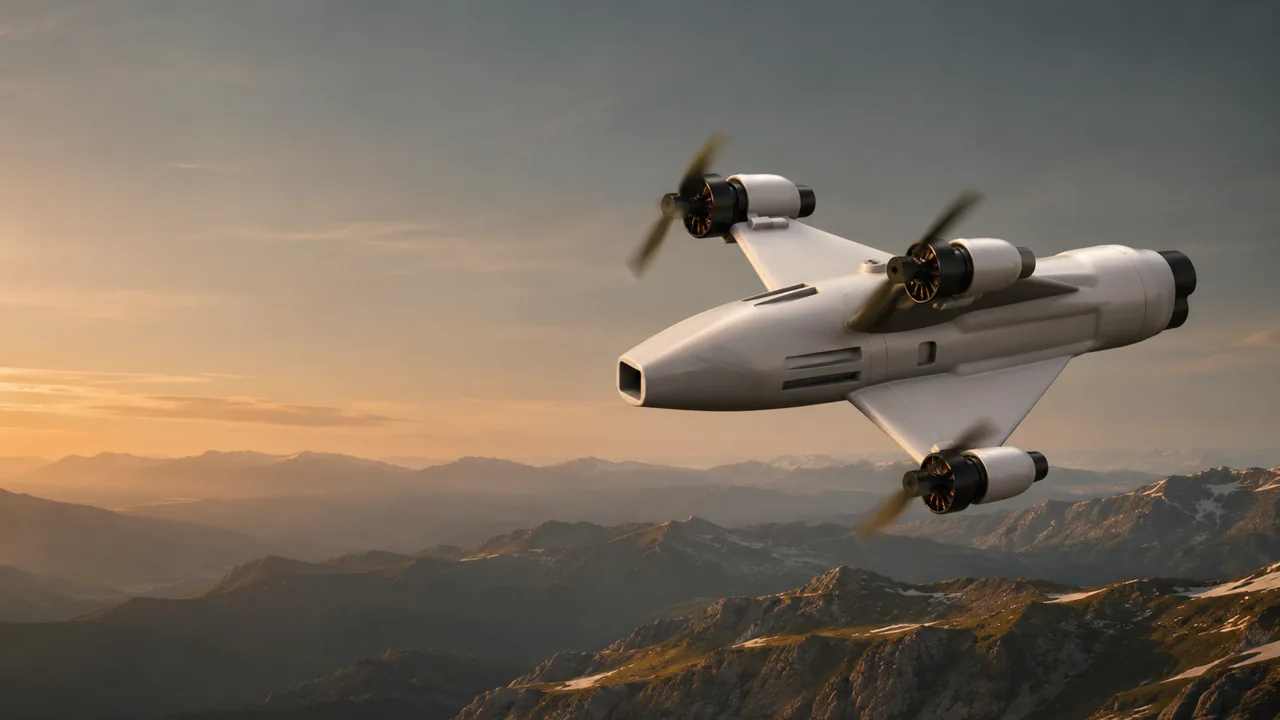
Explore the form and details of SY-01 through the supplied 3D model video.
EngineeringConcepts for using aerial imagery to help operators review information in context.
Review imagery and changes to support inspections within the agreed scope.
Organize structural imagery and areas for review to support maintenance planning.
Screen search-area imagery for human review and operational decisions.
Compare imagery before and after an event to support damage assessment.
Review visible smoke patterns to prioritize areas for inspection.
Track water boundaries and changes in flooded areas using imagery.
Review land and vegetation changes to guide field inspections.
Compare forest and landscape imagery to review environmental changes.
Prepare imagery and spatial references for surveying and analysis.
Organize imagery and analysis for traceable review and workflow improvement.
Example applications, not completed projects. Scope and capability depend on project data, devices and authorisation.
Illustrative material for computer vision and video-analysis research, showing how prototype systems present visual information.
Outdoor footage shows an object-tracking box alongside a colour visualization and time-varying plots, presenting multiple information views with the camera image.
Footage in a wooded area combines a tracking box with a colour visualization and display lines, illustrating information presentation in a visually complex scene.
These clips illustrate research topics, not verified SY-01 performance. Colour displays and plots alone do not establish model identity, distance units or accuracy.
Background on image processing and computer vision — NECTEC ↗The company states that its work is carried out entirely in Thailand, from AI software research and development through semiconductor-chip development and manufacturing, circuit boards and electronics, to system production and assembly.
Research and manufacturing source identified by the company: THESUNPLEX
Owner-supplied footage of assembly, storage, packing and demonstrations. Titles follow the original filenames.
Four units arranged in a box with protective inserts, followed by packing for dispatch.
Panels of circuit boards move from a machine along the production line.
Machinery and circuit boards inside an assembly station, showing movement through the equipment.
Electronic assembly equipment with component feeders and a control display.
A conveyor transfers circuit boards between connected assembly stations.
Multiple units arranged on an assembly bench with separate cylindrical parts in front.
Rows of units stored on shelving, showing the layout of the storage area.
A view along the storage shelves showing successive rows of units.
An assembly workspace with multiple units and parts arranged on workbenches.
An outdoor demonstration shows an operator holding equipment before the camera follows the sky. A confirmed interception result is not visible.
Define the problem, test against appropriate data and deliver with clearly documented limitations.
Engineering →Outline your imagery, devices and desired outcomes to explore a suitable development approach together.
Discuss your project